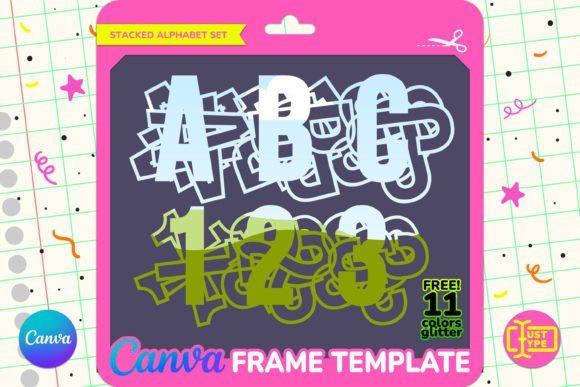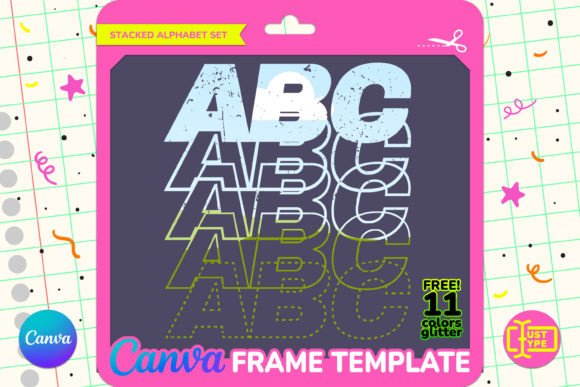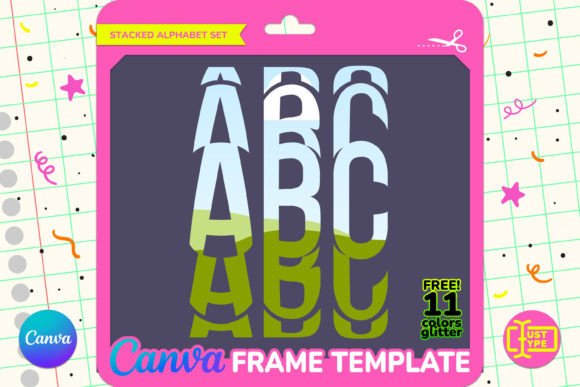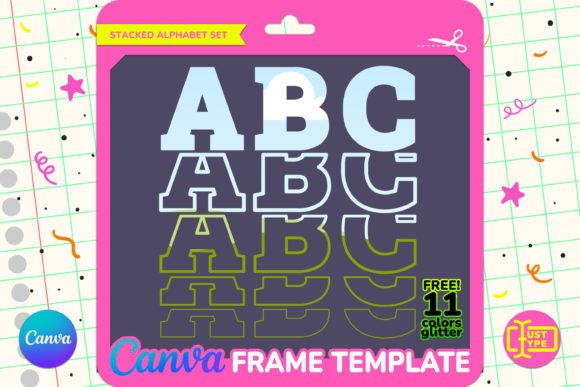
Halftone Stacked Alphabet Canva Frame: A Comprehensive Guide to Modern Graphic Design
In the rapidly evolving landscape of digital graphic design, visual impact is paramount. Whether you are a seasoned marketing professional, an educator creating engaging classroom materials, or a small business owner crafting social media content, the ability to produce high-quality visuals quickly is essential. One technique that has stood the test of time while experiencing a modern resurgence is the halftone effect. When combined with typography and digital tools, this technique creates a striking aesthetic that bridges the gap between retro charm and contemporary minimalism. The Halftone Stacked Alphabet Canva Frame represents a significant advancement in accessible design, allowing users to leverage complex visual effects without needing advanced software skills or extensive artistic training.
This article explores the mechanics, benefits, applications, and practical considerations of using halftone stacked alphabet frames. By understanding how these templates function and integrating them into your workflow, you can elevate your projects from simple text layouts to captivating visual compositions. We will delve into the technical specifications, the creative possibilities offered by vector-based editing, and the value-added resources that accompany such templates, ensuring you have all the information needed to make informed decisions about your design assets.
Understanding the Halftone Effect in Typography
To fully appreciate the utility of a Halftone Stacked Alphabet Canva Frame, it is helpful to understand the underlying visual principle. Halftoning is a process used to simulate continuous-tone imagery through the use of dots. Historically employed in newspaper printing to reproduce photographs with limited ink colors, halftones create the illusion of shading and depth by varying the size and spacing of dots. In modern digital design, this technique adds texture and visual interest to flat elements.
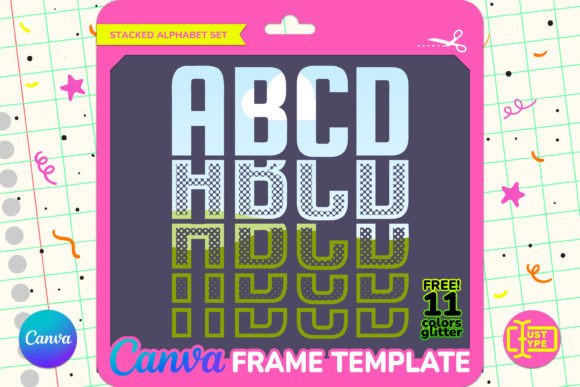
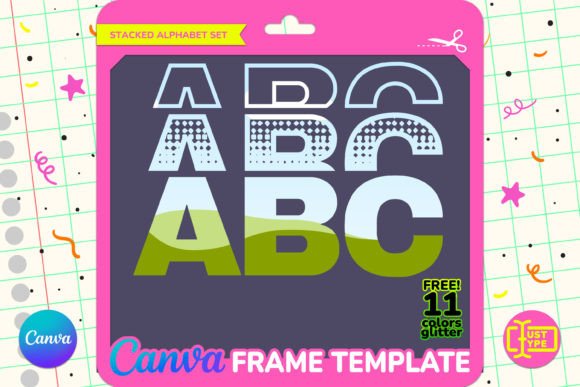
When applied to alphabet letters, halftones transform standard typefaces into textured graphics. Instead of solid black or white characters, the letters appear composed of intricate dot patterns. This adds a layer of sophistication and tactile quality to designs. The "stacked" aspect refers to the arrangement of these letters, often overlapping or aligned in a way that creates a cohesive block of text. This structure allows for bold headlines, artistic logos, and dynamic background textures that draw the viewer's eye immediately.
The integration of this effect into a Canva frame template democratizes access to this style. Previously, achieving such detailed halftone patterns required manual creation in vector software like Adobe Illustrator. Now, pre-designed frames allow users to fill these textured areas with their own images or colors, maintaining the halftone aesthetic while personalizing the content. This shift from static graphics to customizable frameworks is a key trend in user-generated content tools.
Technical Advantages of Vector-Based Canva Templates
One of the most critical features of high-quality design templates is their scalability. The Halftone Stacked Alphabet Canva Frame described in our context is built on vector principles within the Canva ecosystem. This offers several distinct advantages over raster-based images like standard JPEGs or PNGs.
- Resize Without Quality Loss: Because the underlying structure is vector-based, you can scale the letters up for a billboard or down for a business card without pixelation or blurriness. This flexibility is crucial for designers who need to adapt a single asset across multiple mediums.
- High Resolution Output: For print-on-demand products, such as t-shirts, mugs, or posters, high resolution is non-negotiable. Vector-based frames ensure that the halftone dots remain crisp and defined, preserving the integrity of the design at any size.
- Easy Organization: Well-organized project files make the editing process efficient. Letters are typically separated into individual layers or groups, allowing you to pick specific characters to move, recolor, or delete without affecting the entire composition. This level of control is vital for creating custom messages or correcting typos.
Furthermore, the intuitive interface of Canva simplifies the interaction with these vectors. Users do not need to understand bezier curves or anchor points. Instead, they interact with the frame as a container, dragging and dropping photos or patterns directly into the letter shapes. This "masking" technique is powerful because it allows for infinite variations. A single halftone alphabet frame can be transformed dozens of times by simply changing the image inside it, offering immense creative value from a single purchase.
Creative Applications Across Industries
The versatility of the Halftone Stacked Alphabet Canva Frame makes it applicable across a wide spectrum of industries. Its aesthetic appeal—combining structure with texture—resonates with diverse audiences. Below are some practical examples of how different professionals can utilize this tool.
Branding and Logo Design
For entrepreneurs and brand strategists, standing out is essential. A halftone-stacked logo can convey a sense of heritage and craftsmanship while remaining modern. Startups in the fashion, coffee, or artisanal goods sectors often use this style to evoke a vintage feel. By filling the halftone letters with brand colors or signature imagery, businesses can create memorable brand marks that look great on packaging and digital platforms alike.
Social Media Content Creation
Influencers and social media managers are constantly seeking ways to break the monotony of standard feed posts. Using halftone frames for quote graphics, announcements, or event promotions adds visual variety. The contrast between the dotted texture and the embedded photo creates a focal point that encourages engagement. Additionally, the ability to quickly resize these elements ensures consistency across Instagram stories, Facebook covers, and Pinterest pins.
Educational Materials
Educators and instructional designers can use these templates to create engaging worksheets, certificates, and classroom decorations. The clear structure of stacked letters helps in teaching typography and layout concepts. Moreover, the fun, textured appearance can make learning materials more appealing to younger students. Teachers can customize the letters to spell out vocabulary words or names, turning abstract concepts into tangible visual aids.
Event Planning and Invitations
Weddings, birthdays, and corporate events often require customized stationery. A halftone alphabet frame can serve as the centerpiece of an invitation suite. By pairing the textured letters with elegant fonts and complementary colors, planners can create a cohesive theme. The option to insert photos of the couple, the honoree, or the venue into the letters adds a personal touch that generic templates cannot match.
Enhancing Designs with Bonus Assets
A notable feature of premium design templates is the inclusion of supplementary assets. In the case of the Halftone Stacked Alphabet Canva Frame, the package includes a bonus pack of 11 dazzling glitter textures. These JPG files are crafted to harmonize seamlessly with the stacked text style, adding an extra layer of charm and dimension to creations.
Glitter textures introduce a new element of luxury and playfulness. They can be used to overlay on top of the halftone patterns or to fill the letters themselves, creating a shimmering effect that catches the light. This is particularly effective for celebratory designs, holiday cards, and beauty-related content. The fact that these textures are provided as high-quality JPGs ensures they retain their detail when scaled, complementing the vector nature of the main template.
When incorporating these bonuses, consider the balance of your design. While glitter adds excitement, it should be used strategically to avoid overwhelming the viewer. Pairing a bold halftone headline with subtle glitter accents can create a sophisticated look, whereas applying heavy glitter to every element may reduce readability. Experimentation is key to finding the right aesthetic balance.
Implementation Workflow and Best Practices
Using the Halftone Stacked Alphabet Canva Frame requires a straightforward workflow, but adhering to best practices ensures the highest quality output. Here is a step-by-step guide to maximizing the potential of this template.
- Access the Template: Upon purchase, you will receive a PDF file containing a link to the Canva template. Click this link to open the design in your Canva account. Ensure you have a Canva account set up before beginning.
- Customize the Content: Use the drag-and-drop functionality to insert your desired images or patterns into the letter frames. You can replace the default placeholders with your own photography, illustrations, or even other patterns. This is where the creative freedom lies.
- Adjust Colors and Effects: If you wish to alter the base color of the halftone pattern or adjust the opacity of the inserted images, use Canva’s editing tools. Most frames allow for independent adjustment of the mask and the content, giving you precise control over the final look.
- Review Organization: Take advantage of the organized layer structure. If you need to rearrange the order of the letters or modify a specific character, locate it in the layers panel. This prevents accidental changes to other parts of the design.
- Export Correctly: When saving your design, choose the appropriate format. For web use, PNG or JPG is suitable. For print, ensure you select the highest resolution available. Note that if you require a transparent background, a Canva Pro subscription is necessary, as this feature is restricted in the free version.
Considerations for Potential Users
While the Halftone Stacked Alphabet Canva Frame offers numerous benefits, it is important to approach its usage with realistic expectations. It is distinct from traditional fonts, PNGs, or SVGs. It is a frame template, meaning it relies on the Canva platform to function. Therefore, editing capabilities are tied to Canva’s interface and features.
Users should be aware that while the template is user-friendly, it does require basic proficiency in navigating Canva. Familiarity with concepts like uploading images, adjusting transparency, and managing layers will enhance the experience. Additionally, the requirement for Canva Pro for transparent backgrounds is a consideration for those on a budget. However, for many use cases, the standard white or colored background is sufficient, making the free version viable for many hobbyists and casual creators.
Another consideration is the size of the letters. Typically, these frames are designed around standard dimensions, such as letters being approximately six inches tall in a default setup. While they are scalable, starting with a canvas size that matches your intended output (e.g., Instagram square vs. A4 poster) can help maintain proportions and ensure the text remains legible and impactful.
Conclusion
The Halftone Stacked Alphabet Canva Frame exemplifies the power of combining timeless design techniques with modern digital tools. By providing an easy-to-use, vector-based framework, it empowers users to create professional-grade graphics without the steep learning curve associated with complex design software. From branding and social media to education and events, the applications are vast and varied.
With the added value of bonus glitter textures and the flexibility of drag-and-drop customization, this template offers exceptional utility for anyone looking to enhance their visual communication. As digital content continues to dominate our daily interactions, having access to versatile, high-quality design assets is more important than ever. Embracing tools like the halftone stacked alphabet frame allows creators to express their vision clearly, creatively, and effectively, ensuring their message stands out in a crowded digital landscape.